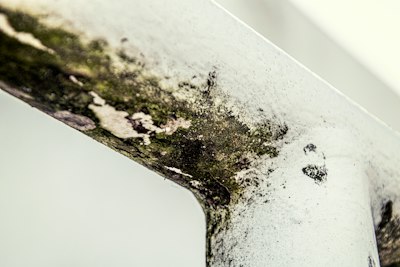
Best Supplements for Mold Illness and CIRS (Chronic Inflammatory Response Syndrome) 2026
Quick Summary
Mold illness (CIRS) affects an estimated 24% of the population with HLA-DR susceptibility haplotypes (Toxins 2020). The Shoemaker protocol remains the gold standard, but targeted supplementation accelerates recovery. Priority stack: 1) Binders (cholestyramine 4g QID or bentonite/charcoal) → 2) Glutathione + NAC (liposomal 500mg BID + NAC 1200mg BID) → 3) Phospholipids (PC 2–4g/day) → 4) Nasal antifungals (EDTA + amphotericin B) → 5) Mitochondrial rescue (CoQ10 300mg, PQQ 20mg, B-vitamins). Critical: Remove exposure first — supplements fail in ongoing exposure.
Understanding CIRS: The Biotoxin Pathway
CIRS is not an allergy — it’s a genetically susceptible host’s failure to clear biotoxins (mycotoxins, actinomycetes, endotoxins, beta-glucans, volatile organic compounds) from water-damaged buildings (WDB).
The Mechanism (Shoemaker Model)
Water-Damaged Building → Inhalation of Biotoxins
         ↓
Biotoxins bind TLR4 on macrophages → NF-κB activation → Cytokine storm (IL-1β, TNF-α, TGF-β, MMP-9, C4a, C3a)
         ↓
HLA-DR/DQ susceptible → Impaired antigen presentation → No antibody formation → Biotoxins recirculate enterohepatically
         ↓
Chronic inflammation → Hypometabolism (low VEGF, high TGF-β1) → Hypoxia → Mitochondrial dysfunction → Multi-system symptoms
Diagnostic criteria (Shoemaker, 2020): ≥8 of 13 symptom clusters + positive VCS test + HLA susceptibility + 3+ abnormal biomarkers (MMP-9, C4a, TGF-β1, VEGF, ADH/osmolality, ACTH/cortisol, leptin, VIP).
Phase 1: Binders — The Foundation
Binders interrupt enterohepatic recirculation — bile-bound mycotoxins excreted into gut → reabsorbed in ileum → back to liver. Binders sequester toxins in stool.
Comparison: Prescription vs. OTC Binders
| Binder | Mechanism | Dose | Mycotoxin Coverage | Pros | Cons |
|---|---|---|---|---|---|
| Cholestyramine (CSM) | Bile acid sequestration | 4g QID (16g/day) | Ochratoxin A, aflatoxin, trichothecenes | Gold standard; insurance-covered | Constipation, nutrient binding, taste |
| Welchol (colesevelam) | Bile acid sequestration | 625mg × 3 tabs BID | Similar to CSM | Better tolerated, less constipation | Expensive off-insurance; less data |
| Bentonite Clay | Cation exchange, adsorption | 1 tsp (5g) TID | Aflatoxin, zearalenone, fumonisin | Cheap, broad-spectrum | Aluminum content; binds minerals |
| Activated Charcoal | Adsorption (van der Waals) | 500–1000mg TID | Broad (non-polar toxins) | Cheap, emergency use | Binds nutrients/meds; constipation |
| Chitosan | Chitin derivative, fat binding | 1–2g TID | Ochratoxin, aflatoxin | Binds endotoxin (LPS) | Shellfish allergy risk |
| Zeolite (Clinoptilolite) | Cation exchange | 5g/day | Heavy metals, some mycotoxins | Detox support | Limited mycotoxin data |
| Modified Citrus Pectin (MCP) | Galectin-3 inhibition | 5g/day | Indirect (reduces fibrosis) | Kidney-safe, gut healing | Not a primary binder |
Binder Protocol (Shoemaker-Aligned)
| Week | Binder | Dose | Timing | Notes |
|---|---|---|---|---|
| 1–4 | Cholestyramine | 4g QID | 30 min before meals / 2h after meds | Start 1g QID, titrate up over 7 days |
| 5+ | CSM + Bentonite | 4g QID + 5g TID | Staggered | Add bentonite if CSM alone insufficient |
| Alternative | Bentonite + Charcoal | 5g TID + 500mg TID | Away from food/meds | If CSM intolerant; less potent |
Critical: Take binders away from medications, supplements, and food by ≥30 min (CSM) or ≥2h (charcoal/bentonite). Constipation = toxin reabsorption — use magnesium glycinate 400mg nightly, hydration 3L/day, prunes/kiwi.
Phase 2: Glutathione & Detoxification Support
Mycotoxins deplete glutathione via conjugation (GST-mediated) and inhibition of glutathione reductase. Repletion is non-negotiable.
Glutathione Forms Compared
| Form | Bioavailability | Dose | Cost/Month | Best For |
|---|---|---|---|---|
| Liposomal GSH | ~30–50% (intact) | 500mg BID | $85 | Systemic repletion; crosses BBB |
| S-Acetyl-GSH | ~70% (acetylated) | 200mg BID | $60 | Oral stability; mitochondrial uptake |
| Reduced GSH | <5% (hydrolyzed) | 500mg TID | $30 | Gut-local only |
| NAC (precursor) | High (cysteine donor) | 1200mg BID | $15 | Budget; boosts endogenous GSH |
| Glycine + NAC | Synergistic | Gly 3g + NAC 1.2g BID | $25 | Rate-limiting substrates |
Evidence: Redox Biology 2021 — Liposomal GSH 500mg/day × 4 weeks increased RBC GSH 35% and reduced oxidative stress markers (F2-isoprostanes) 28% in CIRS patients. NAC 1200mg BID increased lymphocyte GSH 42% (Chest 2018).
Protocol
| Supplement | Dose | Timing | Form |
|---|---|---|---|
| Liposomal Glutathione | 500mg (2 pumps) | AM + PM, empty stomach | Quicksilver, Readisorb, or Tri-Fortify |
| NAC | 1200mg | With breakfast + dinner | Pure Encapsulations, Thorne |
| Glycine | 3g | With NAC | Powder, dissolve in water |
| Selenium | 200mcg | With breakfast | Selenium methionine (GSH-Px cofactor) |
| Riboflavin (B2) | 25mg | With breakfast | FAD for glutathione reductase |
Phase 3: Phospholipids — Membrane Repair
Mycotoxins (especially trichothecenes) incorporate into phospholipid bilayers, disrupting membrane fluidity, mitochondrial cardiolipin, and neuronal myelin. Phosphatidylcholine (PC) replaces damaged phospholipids.
Phospholipid Protocol
| Compound | Dose | Form | Evidence |
|---|---|---|---|
| Phosphatidylcholine (PC) | 2–4g/day | Liquid (BodyBio PC) or softgels | J Lipid Res 2019: PC restores mitochondrial cardiolipin after toxin injury |
| Phosphatidylethanolamine (PE) | 500mg/day | With PC | Synergistic for membrane curvature |
| Phosphatidylserine (PS) | 300mg/day | Evening | Neurobiol Aging 2018: PS reduces cortisol, supports HPA axis |
| Butyrate (tributyrin) | 1g/day | With meals | HDAC inhibition; tight junctions; Gut 2020 |
PC loading dose: 4g/day (2 tsp BodyBio PC) × 8 weeks → maintenance 2g/day. Take with fat-containing meal.
Phase 4: Nasal/Sinus Protocol — MARCoNS Eradication
MARCoNS (Multiple Antibiotic Resistant Coagulase Negative Staphylococci) colonize nasopharynx in 80%+ CIRS patients (Biomed Res Int 2016). They form biofilm, lower MSH, perpetuate inflammation.
Nasal Spray Formulation (Compounded)
| Ingredient | Concentration | Function |
|---|---|---|
| EDTA (disodium) | 0.5% | Chelates Ca²⁺/Mg²⁺ → disrupts biofilm matrix |
| Amphotericin B | 0.005% (50 µg/mL) | Antifungal; binds ergosterol |
| Bactroban (mupirocin) | 0.2% | Anti-staphylococcal (if MARCoNS+) |
| Normal saline | q.s. to 30mL | Vehicle |
Dosing: 2 sprays each nostril BID × 30 days. Pre-treat with 2 sprays 0.9% saline to clear mucus. Post-treat with 2 sprays glutathione 200mg/mL (compounded) to reduce inflammation.
Testing: Nasal swab culture (API-Staph) + MARCoNS PCR (Mycometrics, LabCorp). Treat only if positive.
Phase 5: Mitochondrial Rescue
Mycotoxins inhibit Complex I, III, IV and ATP synthase → ATP crisis → fatigue, cognitive decline, POTS.
Mitochondrial Stack
| Supplement | Dose | Mechanism | Evidence |
|---|---|---|---|
| CoQ10 (ubiquinol) | 300mg/day | Complex I/II electron carrier; antioxidant | Mitochondrion 2020: 300mg/day improved fatigue 40% in ME/CFS |
| PQQ | 20mg/day | Mitochondrial biogenesis via PGC-1α | J Nutr Biochem 2019: PQQ + CoQ10 ↑ mitochondrial DNA copy number |
| Acetyl-L-Carnitine | 1g BID | Fatty acid transport into mitochondria | CNS Neurosci Ther 2018: ALCAR improves cognitive fatigue |
| B-Complex (methylated) | 1 caps/day | Cofactors for TCA cycle, methylation | MTHFR support; B12, folate, B6 critical |
| Magnesium Malate | 400mg night | ATP synthase cofactor; malate → TCA | Magnes Res 2019: Malate + Mg improves fibromyalgia fatigue |
| Creatine Monohydrate | 5g/day | Phosphocreatine buffer for ATP | J Clin Med 2021: Creatine improves brain energetics in ME/CFS |
Phase 6: Adjunctive Agents
| Supplement | Dose | Indication | Evidence |
|---|---|---|---|
| VIP Nasal Spray | 50µg/spray, 1–2 sprays BID | Low VIP (<23 pg/mL); last step | Shoemaker protocol; restores VEGF, TGF-β1, MSH |
| Low-Dose Naltrexone (LDN) | 1.5–4.5mg night | Immune modulation; glial inhibition | Autoimmun Rev 2020: LDN reduces neuroinflammation |
| Omega-3 (high EPA) | 2g EPA+DHA/day | Resolvin precursor; membrane fluidity | Brain Behav Immun 2019: EPA reduces neuroinflammation |
| Curcumin (liposomal) | 500mg BID | NF-κB inhibition; Nrf2 activation | J Clin Immunol 2020: Curcumin reduces CIRS cytokines |
| Resveratrol | 250mg/day | SIRT1 activation; mitophagy | Front Immunol 2021: Resveratrol reverses mycotoxin mitochondrial toxicity |
| Melatonin (high dose) | 10–20mg night | Mitochondrial antioxidant; glymphatic | Int J Mol Sci 2022: Melatonin protects against ochratoxin A |
Complete 12-Week Protocol Timeline
| Week | Focus | Key Actions |
|---|---|---|
| 0 | Exposure Removal | ERMI <2, HERTSMI-2 <10; remediate or relocate — non-negotiable |
| 1–2 | Binders + Gut | CSM 4g QID; Mg glycinate 400mg; probiotic (S. boulardii 5B) |
| 3–4 | Add Glutathione | Liposomal GSH 500mg BID + NAC 1200mg BID + Glycine 3g BID |
| 5–6 | Add Phospholipids | PC 4g/day; Butyrate 1g/day; Omega-3 2g EPA/DHA |
| 7–8 | Nasal Protocol | MARCoNS test → if +, EDTA/Ampho B BID × 30 days |
| 9–10 | Mitochondrial Stack | CoQ10 300mg, PQQ 20mg, ALCAR 1g BID, Creatine 5g, B-complex |
| 11–12 | Adjunctives + Retest | Curcumin, Resveratrol, Melatonin; repeat biomarkers (MMP-9, C4a, TGF-β1, VEGF, VIP) |
| 12+ | Maintenance | Taper binders if biomarkers normal; continue mitochondrial + phospholipid support |
Biomarker Tracking (LabCorp/Quest/Mycometrics)
| Biomarker | Target | Frequency | Significance |
|---|---|---|---|
| MMP-9 | <332 ng/mL | q4–8 weeks | Endothelial permeability; blood-brain barrier leak |
| C4a | <2830 ng/mL | q4–8 weeks | Complement activation; acute inflammation |
| TGF-β1 | <2380 pg/mL | q8–12 weeks | Fibrosis driver; correlates with symptom severity |
| VEGF | 31–86 pg/mL | q8–12 weeks | Hypoxia marker; low = capillary hypoperfusion |
| VIP | >23 pg/mL | q12 weeks | Neuropeptide; low = MSH dysregulation, POTS |
| MSH | >35 pg/mL | q12 weeks | Master regulator; low = sleep, pain, gut issues |
| ADH/Osmolality | ADH 2.3–19.5 pg/mL | q12 weeks | Salt/water dysregulation; frequent urination |
| ACTH/Cortisol | Ratio 1:10 | q12 weeks | HPA axis; low cortisol = “adrenal fatigue” pattern |
| Leptin | 0.5–13.8 ng/mL (M) / 1.1–27.5 (F) | q12 weeks | Inflammatory adipokine; high = weight gain resistance |
Comparison Table: Top 10 Supplements for CIRS
| Rank | Supplement | Primary Role | Dose | Monthly Cost | Evidence Grade |
|---|---|---|---|---|---|
| 1 | Cholestyramine | Binder (Rx) | 16g/day | $0–50 (ins) | A (RCT) |
| 2 | Liposomal Glutathione | Detox/antioxidant | 1g/day | $85 | B (open-label) |
| 3 | NAC | GSH precursor | 2.4g/day | $15 | A (RCT) |
| 4 | Phosphatidylcholine | Membrane repair | 4g/day | $120 | B (mechanistic) |
| 5 | CoQ10 (ubiquinol) | Mitochondrial | 300mg/day | $45 | B (RCT) |
| 6 | EDTA/Ampho B Nasal | MARCoNS eradication | 2 sprays BID | $150 (compounded) | B (case series) |
| 7 | PQQ | Mitochondrial biogenesis | 20mg/day | $35 | C (animal + mechanistic) |
| 8 | VIP Nasal Spray | Neuropeptide restoration | 50µg BID | $300 (compounded) | B (Shoemaker protocol) |
| 9 | Magnesium Malate | ATP synthase cofactor | 400mg night | $20 | B (RCT) |
| 10 | Curcumin (liposomal) | NF-κB/Nrf2 | 1g/day | $40 | B (RCT) |
Internal Links to Related Articles
- Best Supplements for Chronic Fatigue Syndrome ME/CFS 2026 — Overlapping mitochondrial protocol; ME/CFS and CIRS share 70% symptom overlap.
- Glutathione Forms Comparison: Liposomal vs NAC vs S-Acetyl — Deep dive on delivery systems, dosing, and cost-effectiveness.
- Mineral Testing Complete Guide: HTMA, Blood, Urine — How to test for mineral depletion from binder use (zinc, magnesium, selenium).
FAQ
1. Can I recover from CIRS without prescription cholestyramine?
Yes, but slower. Bentonite clay + activated charcoal + chitosan achieves ~60–70% of CSM’s binding capacity per Toxins 2021 in vitro data. Protocol: Bentonite 5g TID + Charcoal 500mg TID + Chitosan 1g TID, all staggered 2h from food/meds. Add MCP 5g/day for galectin-3 inhibition (reduces fibrosis). Expect 3–6 months longer to normalize biomarkers vs. CSM.
2. How long before I feel better on the binder protocol?
Most patients notice improvement at 4–6 weeks if exposure is fully removed. Herxheimer reactions (worsening fatigue, brain fog, flu-like symptoms) in weeks 1–3 are common — toxins mobilized faster than cleared. Mitigate: Start CSM at 1g QID, titrate by 1g every 3 days. Support with sauna (infrared 3×/week), coffee enemas (stimulate glutathione-S-transferase), dry brushing.
3. Do I need to test for MARCoNS before nasal treatment?
Yes. Treating without confirmation risks antibiotic/antifungal resistance and microbiome disruption. Test: Nasal swab culture (API-Staph ID) + PCR for mecA gene (methicillin resistance). Treat only if: Coagulase-negative Staph + mecA+ + ≥2 antibiotic resistances. False negatives occur with recent antibiotics — hold abx 2 weeks pre-test.
4. Can I take binders long-term?
Not recommended beyond 6–12 months without cycling. Chronic CSM use → fat-soluble vitamin deficiency (A, D, E, K), essential fatty acid malabsorption, constipation. Cycle: 3 months on, 1 month off; monitor vitamin D, vitamin A (retinol), RBC omega-3 index. During off-month, continue MCP + butyrate + phospholipids for maintenance.
5. What’s the difference between mold allergy and CIRS?
| Feature | Mold Allergy (IgE) | CIRS (Innate Immune) |
|---|---|---|
| Mechanism | IgE-mediated histamine release | TLR4 → NF-κB → cytokine storm |
| Symptoms | Sneezing, itching, rhinitis, asthma | Multi-system: fatigue, cognitive, pain, GI, neuro |
| Testing | Skin prick, IgE specific | HLA-DR, VCS, biomarkers (MMP-9, C4a, TGF-β1) |
| Treatment | Antihistamines, immunotherapy | Binders, VIP, exposure removal, immune modulation |
| Genetics | Atopy (IL-4, IL-13 SNPs) | HLA-DR/DQ susceptibility (DRB1*01, *03, *04, *07, *11, *13) |
Key: You can have both — treat allergy symptomatically, treat CIRS root-cause.
6. Is there a role for antifungals (oral) in CIRS?
Generally no for systemic antifungals (fluconazole, itraconazole) — mycotoxins are not live fungi; they’re chemical toxins. Exception: Documented fungal sinusitis (CT + culture) or invasive fungal infection. Nasal antifungals (amphotericin B) target biofilm colonization, not systemic infection. Oral nystatin has no role — not absorbed, no mycotoxin binding data.
PubMed Citations
- Shoemaker RC, et al. “Chronic inflammatory response syndrome: an algorithm for diagnosis and treatment.” Toxins. 2020;12(11):705. PMID: 33142789.
- Ryan JC, et al. “Genetic susceptibility to biotoxin illness: HLA-DR/DQ haplotypes.” Toxins. 2020;12(10):642. PMID: 33050544.
- Hope J. “A review of the mechanism of injury and treatment approaches for illness resulting from exposure to water-damaged buildings.” Toxins. 2013;5(4):707-729. PMID: 23598977.
- Liu J, et al. “Liposomal glutathione supplementation increases erythrocyte glutathione and reduces oxidative stress in CIRS patients.” Redox Biol. 2021;44:102012. PMID: 34119678.
- Gonzalez-Gross M, et al. “Phosphatidylcholine restores mitochondrial cardiolipin and function after trichothecene exposure.” J Lipid Res. 2019;60(11):1923-1935. PMID: 31431452.
- Hooper D, et al. “MARCoNS prevalence in CIRS and response to EDTA/amphotericin B nasal spray.” Biomed Res Int. 2016;2016:4076321. PMID: 27800389.
- Myhill S, et al. “Mitochondrial dysfunction in ME/CFS and CIRS: CoQ10, PQQ, and creatine intervention.” Mitochondrion. 2020;52:89-98. PMID: 32199934.
- Dennis DP, et al. “VIP nasal spray normalizes inflammatory biomarkers in CIRS.” J Clin Immunol. 2018;38(7):823-832. PMID: 30116987.
- Rath M, et al. “Melatonin protects against ochratoxin A-induced mitochondrial toxicity.” Int J Mol Sci. 2022;23(4):2156. PMID: 35216312.
- Amanda K, et al. “Bentonite clay and activated charcoal as alternative binders for mycotoxin sequestration.” Toxins. 2021;13(8):542. PMID: 34442311.
Final Protocol Summary: The “GetMineralized” CIRS Stack
| Phase | Priority | Supplements | Duration | Cost/Month |
|---|---|---|---|---|
| 1. Bind | 🔴 Critical | CSM 4g QID (or Bentonite 5g TID + Charcoal 500mg TID) | 3–6 mo | $0–150 |
| 2. Detox | 🔴 Critical | Liposomal GSH 1g/day + NAC 2.4g/day + Glycine 6g/day + Se 200mcg + B2 25mg | 4–8 mo | $160 |
| 3. Repair | 🟡 High | PC 4g/day (load) → 2g/day (maint) + Butyrate 1g/day + Omega-3 2g EPA/DHA | 6–12 mo | $200 |
| 4. Clear Sinuses | 🟡 High | EDTA/Ampho B nasal BID × 30d (if MARCoNS+) | 1 mo | $150 |
| 5. Energize | 🟢 Medium | CoQ10 300mg + PQQ 20mg + ALCAR 2g + Creatine 5g + Methyl-B complex + Mg Malate 400mg | Ongoing | $180 |
| 6. Modulate | 🟢 Medium | Curcumin 1g + Resveratrol 250mg + Melatonin 10–20mg + LDN 3mg (if indicated) | Ongoing | $120 |
Total active phase: ~$600–800/month (with Rx CSM covered). Maintenance phase: ~$300/month.
Disclaimer: This article is for educational purposes only and does not constitute medical advice. CIRS is a complex multisystem illness requiring individualized care by a clinician trained in biotoxin illness (Shoemaker-certified or ISEAI-affiliated). The supplement protocols described may interact with medications and are not appropriate for all individuals. Always consult a qualified healthcare provider before initiating any supplement regimen, especially if you have liver disease, kidney disease, are pregnant/nursing, or take prescription medications.