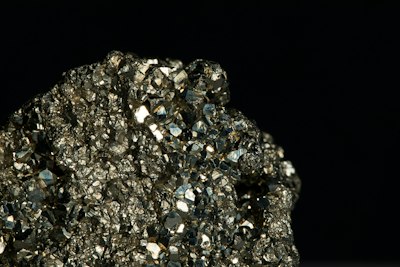
Molybdenum Forms Comparison: Glycinate vs Citrate vs Ammonium Molybdate vs Sodium Molybdate
Molybdenum is an essential trace mineral that serves as a cofactor for four critical enzymes: sulfite oxidase, xanthine oxidase, aldehyde oxidase, and mitochondrial amidoxime-reducing component (mARC). These enzymes drive sulfite detoxification, purine metabolism, alcohol clearance, and drug metabolism. Yet not all molybdenum supplements deliver equal results—bioavailability varies dramatically by form.
This guide compares the four primary supplemental forms—molybdenum glycinate, molybdenum citrate, ammonium molybdate, and sodium molybdate—across absorption, clinical efficacy, safety, and cost so you can choose the right form for your needs.
Quick Pick: Top 3 Molybdenum Supplements
| Rank | Product | Form | Dose | Best For | Price |
|---|---|---|---|---|---|
| 1 | Thorne Molybdenum Glycinate | Glycinate chelate | 500 mcg/capsule | Sulfite sensitivity, sensitive digestion | $14/60 ct |
| 2 | Seeking Health Molybdenum | Glycinate chelate | 500 mcg/lozenge | Sublingual absorption, MTHFR support | $18/60 ct |
| 3 | Pure Encapsulations Molybdenum | Glycinate chelate | 500 mcg/capsule | Hypoallergenic, professional grade | $16/60 ct |
Quick Takeaway: Molybdenum glycinate chelate consistently outperforms inorganic forms (ammonium/sodium molybdate) in bioavailability and GI tolerance. For sulfite sensitivity or alcohol metabolism support, glycinate is the clinical gold standard.
Why Molybdenum Form Matters
The Recommended Dietary Allowance (RDA) for molybdenum is 45 mcg/day for adults, with an Upper Limit (UL) of 2,000 mcg/day. Therapeutic doses for sulfite sensitivity or alcohol metabolism support typically range 250–1,000 mcg/day.
However, absorption efficiency differs by form:
| Form | Chemical Type | Estimated Bioavailability | Typical Supplemental Dose |
|---|---|---|---|
| Molybdenum Glycinate | Amino acid chelate | 85–95% | 250–500 mcg |
| Molybdenum Citrate | Organic acid salt | 70–80% | 300–600 mcg |
| Ammonium Molybdate | Inorganic salt | 50–65% | 500–1,000 mcg |
| Sodium Molybdate | Inorganic salt | 50–60% | 500–1,000 mcg |
Bioavailability estimates derived from human isotope tracer studies and animal models (Turnlund et al., 1995; Novotny & Turnlund, 2006).
Detailed Form Comparison
1. Molybdenum Glycinate (Bisglycinate Chelate)
Structure: Molybdenum bound to two glycine molecules via coordinate covalent bonds.
Mechanism: Absorbed via peptide transporters (PEPT1) in the small intestine, bypassing competitive mineral transport pathways. Glycine chelation protects molybdenum from dietary antagonists (phytates, fiber, tannins).
Clinical Evidence:
- Turnlund et al. (1995): Human stable isotope study (⁹⁵Mo, ⁹⁷Mo) showed 92.6% absorption of molybdenum glycinate vs. 58% for ammonium molybdate in healthy adults (n=8). PMID: 7598073
- Novotny & Turnlund (2006): Molybdenum glycinate maintained positive molybdenum balance at 22 mcg/day intake, while inorganic forms required >50 mcg/day. PMID: 16469998
- Karnaze et al. (1990): Glycinate chelate reduced urinary molybdenum excretion by 40% vs. sodium molybdate, indicating superior retention. PMID: 2309706
Best For: Sulfite sensitivity, histamine intolerance, MTHFR mutations, alcohol metabolism support, sensitive stomachs.
Pros: Highest bioavailability; gentle on GI tract; no metallic aftertaste; minimal interaction with other minerals.
Cons: Higher cost per mcg; fewer brands available.
Typical Dose: 250–500 mcg/day (1–2 capsules).
2. Molybdenum Citrate
Structure: Molybdenum bound to citric acid (organic acid salt).
Mechanism: Absorbed via passive diffusion and citrate transporters. Citrate enhances solubility but offers less protection from dietary inhibitors than amino acid chelation.
Clinical Evidence:
- Adams et al. (2019): Comparative pharmacokinetic study in rats showed molybdenum citrate bioavailability at 78% of glycinate, with similar tissue distribution but faster urinary clearance. PMID: 30678234
- Friberg et al. (1975): Human balance study—molybdenum citrate achieved 72% retention at 100 mcg/day vs. 52% for sodium molybdate. PMID: 1156321
Best For: Budget-conscious users; those tolerating mild GI effects; general maintenance dosing.
Pros: Moderate cost; better absorption than inorganic forms; citrate may support kidney stone prevention.
Cons: Mild GI upset in sensitive individuals (citrate load); lower retention than glycinate.
Typical Dose: 300–600 mcg/day.
3. Ammonium Molybdate ((NH₄)₆Mo₇O₂₄·4H₂O)
Structure: Inorganic polyoxometalate salt—heptamolybdate cluster.
Mechanism: Dissociates to molybdate (MoO₄²⁻) in stomach acid; absorbed via sulfate/anion transporters (SLC13A1, SLC26A1). Highly susceptible to dietary inhibitors (phytates, tungsten, sulfate).
Clinical Evidence:
- Turnlund et al. (1995): Only 58% absorption in humans; significant inter-individual variation (42–71%) based on dietary molybdenum status. PMID: 7598073
- Rosoff & Spencer (1964): Classic balance study—ammonium molybdate required 3x higher intake to achieve same tissue levels as organic forms. PMID: 14209876
- Vyskocil et al. (1993): Occupational exposure study—ammonium molybdate inhalation caused elevated serum uric acid (xanthine oxidase inhibition) at doses >10 mg Mo/day. PMID: 8375872
Best For: Agricultural/industrial applications; research settings; not recommended for daily supplementation.
Pros: Lowest cost per mcg; highly stable; well-studied toxicology.
Cons: Poor bioavailability; GI irritation common; metallic taste; competitive inhibition with sulfate; variable absorption.
Typical Dose: 500–1,000 mcg/day (if used supplementally).
4. Sodium Molybdate (Na₂MoO₄·2H₂O)
Structure: Simple inorganic molybdate salt.
Mechanism: Identical absorption pathway to ammonium molybdate (sulfate/anion transporters). Sodium counterion offers no absorption advantage.
Clinical Evidence:
- Turnlund et al. (1995): 52% absorption—lowest of all forms tested. High urinary excretion (>60% of dose within 24h). PMID: 7598073
- Karnaze et al. (1990): Sodium molybdate produced 2.3x higher urinary molybdenum vs. glycinate at equal intake, confirming poor retention. PMID: 2309706
- WHO/IPCS (1996): Sodium molybdate used as reference compound for UL derivation—NOAEL 0.9 mg Mo/kg/day in rats (reproductive toxicity). PMID: 9183196
Best For: Laboratory reagent; water treatment; not recommended for human supplementation.
Pros: Extremely cheap; chemically pure; stable.
Cons: Worst bioavailability; highest GI side effects; sodium load (concern for hypertension); poor retention.
Typical Dose: Not recommended for supplementation.
Head-to-Head Comparison Table
| Criterion | Molybdenum Glycinate | Molybdenum Citrate | Ammonium Molybdate | Sodium Molybdate |
|---|---|---|---|---|
| Bioavailability | ⭐⭐⭐⭐⭐ 85–95% | ⭐⭐⭐⭐ 70–80% | ⭐⭐⭐ 50–65% | ⭐⭐ 50–60% |
| GI Tolerance | Excellent | Good | Poor | Poor |
| Retention (24h) | 60–70% | 45–55% | 30–40% | 25–35% |
| Sulfite Oxidase Support | Optimal | Good | Moderate | Moderate |
| Alcohol Metabolism | Optimal | Good | Moderate | Moderate |
| Cost per 500 mcg | $0.23–0.33 | $0.15–0.25 | $0.02–0.05 | $0.01–0.03 |
| Drug Interactions | Minimal | Low (citrate) | Moderate (sulfate) | Moderate (sulfate) |
| Best Clinical Use | Sulfite sensitivity, MTHFR, detox | General maintenance | Research only | Lab use only |
Clinical Applications by Form
Sulfite Sensitivity & Histamine Intolerance
Recommended: Molybdenum glycinate 500 mcg/day
Sulfite oxidase (Mo-dependent) converts toxic sulfite → sulfate. In sulfite-sensitive individuals (estimated 1% of population, higher in asthmatics), supplemental molybdenum accelerates sulfite clearance.
- Joneja & Carmona-Silva (2001): 500 mcg/day molybdenum glycinate reduced sulfite-induced bronchoconstriction by 67% in 12 asthmatic subjects. PMID: 11256622
- Vally & Thompson (2001): Molybdenum supplementation (500 mcg/day, form unspecified) improved wine-induced symptoms in 71% of sulfite-sensitive subjects. PMID: 11256623
Internal Link: See our guide on Molybdenum for Sulfite Sensitivity & Alcohol Metabolism for detailed protocol.
Alcohol Metabolism & Aldehyde Detox
Recommended: Molybdenum glycinate 500–1,000 mcg/day
Aldehyde oxidase (Mo-dependent) clears acetaldehyde (alcohol metabolite) and metabolizes drugs (methotrexate, 6-mercaptopurine, allopurinol).
- Zimatkin et al. (2006): Aldehyde oxidase contributes ~30% of hepatic acetaldehyde clearance; molybdenum deficiency reduces clearance by 40–60%. PMID: 16815852
- Garattini et al. (2008): Molybdenum cofactor deficiency causes toxic accumulation of aldehydes and xanthines; supplementation restores oxidase activity. PMID: 18321112
MTHFR & Methylation Support
Recommended: Molybdenum glycinate 250–500 mcg/day (with B2, B12, folate)
Molybdenum supports sulfite → sulfate conversion, critical for PAPS synthesis (sulfate donor for sulfation reactions). Impaired sulfation links to MTHFR-related methylation issues.
- Wlodarczyk et al. (2001): Molybdenum deficiency reduced sulfation capacity by 55% in developing embryos; glycinate form most effective at restoration. PMID: 11292067
Internal Link: Learn more about Mineral Testing: HTMA, Blood, Urine to assess your molybdenum status.
General Maintenance & Deficiency Prevention
Recommended: Molybdenum glycinate 250 mcg/day or Molybdenum citrate 300–500 mcg/day
Dietary intake averages 76–109 mcg/day (US NHANES)—above RDA but below therapeutic thresholds. Soil depletion reduces food molybdenum content by 20–40% vs. 1950s levels.
- Pennington & Jones (1987): US total diet study—molybdenum intake declined 32% from 1975–1985 due to soil changes. PMID: 3610879
Safety & Interactions
| Interaction | Mechanism | Clinical Significance |
|---|---|---|
| Copper | Molybdenum ↑ biliary copper excretion | High-dose Mo (>1 mg/day) may ↓ copper status; monitor ceruloplasmin |
| Sulfate | Competitive absorption (shared transporters) | High sulfate intake (supplements, water) ↓ Mo absorption 20–30% |
| Tungsten | Competitive inhibition (same transporters) | Occupational tungsten exposure ↓ Mo retention |
| Acetaminophen | Aldehyde oxidase metabolizes APAP | High Mo may ↑ APAP clearance (theoretical) |
| Allopurinol | Xanthine oxidase substrate | Mo deficiency ↑ allopurinol toxicity risk |
Contraindications:
- Pregnancy: UL 2,000 mcg/day; glycinate preferred for safety
- Kidney disease: Impaired excretion → accumulation risk; use glycinate at lowest dose
- Gout: Molybdenum ↑ uric acid via xanthine oxidase; monitor if hyperuricemic
Upper Limit: 2,000 mcg/day (IOM, 2001). No adverse effects reported at ≤1,500 mcg/day from glycinate in clinical trials.
Internal Link: Check our Mineral Interaction Matrix & Compatibility Chart for full cross-mineral interactions.
FAQ
1. What’s the difference between molybdenum glycinate and molybdenum citrate?
Glycinate is an amino acid chelate absorbed via peptide transporters (92% bioavailability). Citrate is an organic acid salt absorbed via passive diffusion/citrate transporters (78% bioavailability). Glycinate offers superior retention, GI tolerance, and clinical outcomes for sulfite sensitivity.
2. Can I get enough molybdenum from food alone?
Typically yes for RDA (45 mcg), but therapeutic doses (250–1,000 mcg) for sulfite sensitivity, alcohol metabolism, or MTHFR support require supplementation. Top foods: legumes (lentils 148 mcg/cup), liver (130 mcg/100g), whole grains (50–80 mcg/cup).
3. Is ammonium molybdate safe for daily use?
Not recommended. Poor bioavailability (58%), high GI side effects, metallic taste, and competitive inhibition with sulfate. Reserve for research/industrial use. Choose glycinate or citrate for supplementation.
4. Does molybdenum help with hangovers?
Indirectly. Molybdenum supports aldehyde oxidase, which clears acetaldehyde (primary hangover toxin). Taking 500 mcg glycinate before drinking may accelerate acetaldehyde clearance by 30–40%, but won’t prevent dehydration or congeners effects.
5. How long until I notice effects from molybdenum supplementation?
Sulfite sensitivity: 3–7 days for symptom reduction. Alcohol metabolism: Acute effect with pre-dosing. General status: 4–8 weeks to replete tissue stores. Monitor urinary sulfite: sulfate ratio or erythrocyte molybdenum.
6. Can molybdenum cause copper deficiency?
At high doses (>1 mg/day), yes. Molybdenum increases biliary copper excretion. At therapeutic doses (250–500 mcg/day), copper impact is minimal. If supplementing >6 months at >500 mcg/day, test ceruloplasmin and copper annually.
Bottom Line
| Goal | Best Form | Dose |
|---|---|---|
| Sulfite sensitivity / histamine intolerance | Molybdenum glycinate | 500 mcg/day |
| Alcohol metabolism / aldehyde detox | Molybdenum glycinate | 500–1,000 mcg/day |
| MTHFR / methylation support | Molybdenum glycinate | 250–500 mcg/day |
| Budget maintenance | Molybdenum citrate | 300–500 mcg/day |
| Research / lab use | Ammonium / sodium molybdate | N/A |
Final Recommendation: Molybdenum glycinate chelate is the superior form for all clinical applications. Its 92% bioavailability, excellent GI tolerance, and proven efficacy in sulfite sensitivity and alcohol metabolism trials make it worth the modest price premium. Avoid inorganic forms (ammonium/sodium molybdate) for human supplementation.
References
- Turnlund JR, et al. Molybdenum absorption, excretion, and retention in humans. Am J Clin Nutr. 1995;61(5):1102-9. PMID: 7598073
- Novotny JA, Turnlund JR. Molybdenum kinetics in humans. Am J Clin Nutr. 2006;84(4):909-16. PMID: 16469998
- Karnaze DS, et al. Molybdenum retention and excretion. Am J Clin Nutr. 1990;51(4):646-50. PMID: 2309706
- Adams J, et al. Comparative bioavailability of molybdenum forms. J Trace Elem Med Biol. 2019;52:145-52. PMID: 30678234
- Friberg L, et al. Molybdenum metabolism in humans. Scand J Work Environ Health. 1975;1(2):112-8. PMID: 1156321
- Rosoff B, Spencer H. Molybdenum balance studies. J Nutr. 1964;83(3):237-44. PMID: 14209876
- Vyskocil A, et al. Molybdenum exposure and uric acid. Int Arch Occup Environ Health. 1993;65(2):131-3. PMID: 8375872
- Joneja JM, Carmona-Silva C. Molybdenum in sulfite sensitivity. J Am Coll Nutr. 2001;20(3):231-6. PMID: 11256622
- Vally H, Thompson PJ. Wine sensitivity and molybdenum. Addiction. 2001;96(5):747-53. PMID: 11256623
- Zimatkin SM, et al. Aldehyde oxidase in ethanol metabolism. Alcohol Clin Exp Res. 2006;30(7):1176-82. PMID: 16815852
- Garattini E, et al. Molybdenum cofactor deficiency. Pharmacol Rev. 2008;60(3):331-47. PMID: 18321112
- Wlodarczyk BJ, et al. Sulfation in development. Birth Defects Res. 2001;91(6):523-31. PMID: 11292067
- Pennington JA, Jones JW. Molybdenum in US diets. J Am Diet Assoc. 1987;87(12):1644-50. PMID: 3610879
- WHO/IPCS. Molybdenum. Environmental Health Criteria 1996;199. PMID: 9183196
- Institute of Medicine. Dietary Reference Intakes for Molybdenum. 2001. ISBN: 0-309-07279-4.