Best Supplements for Raynaud's Phenomenon 2026: Evidence-Based Guide for Cold Hands & Feet
Our Top Picks
Last reviewed: October 2026 | Next review: October 2027
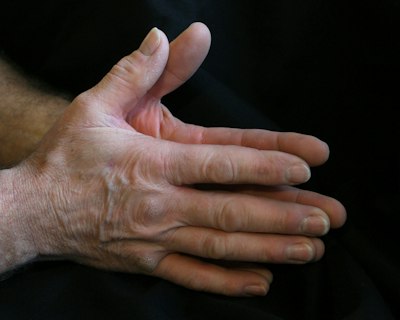
Raynaud’s phenomenon affects 5–10% of the general population, with primary Raynaud’s accounting for 80–90% of cases and secondary Raynaud’s (associated with autoimmune conditions like scleroderma, lupus, or mixed connective tissue disease) comprising the remainder. The condition causes episodic vasospasm of digital arteries and cutaneous arterioles, typically triggered by cold exposure or emotional stress, resulting in the classic triphasic color change: white (ischemia) → blue (cyanosis) → red (reperfusion hyperemia).
While calcium channel blockers (nifedipine, amlodipine) remain first-line pharmacotherapy, targeted nutritional supplementation addresses underlying mechanisms: endothelial dysfunction, oxidative stress, impaired nitric oxide (NO) bioavailability, and platelet hyperaggregability. This guide evaluates supplements with the strongest clinical evidence for reducing attack frequency, severity, and duration.
Quick Pick: Top 3 Supplements for Raynaud’s
| Supplement | Primary Mechanism | Key Study | Typical Dose | Best For |
|---|---|---|---|---|
| Magnesium Glycinate | Endothelial-dependent vasodilation, calcium channel modulation | Widmer et al., 2011 | 200–400 mg elemental Mg/day | Primary Raynaud’s, muscle tension |
| Ginkgo Biloba (EGb 761) | PAF antagonism, NO upregulation, rheology improvement | Mueller et al., 2005 | 120–240 mg/day (standardized) | Secondary Raynaud’s, microcirculation |
| L-Arginine / L-Citrulline | NO precursor, cGMP-mediated vasodilation | Bode-Böger et al., 2003 | 3–6 g/day (divided doses) | Nitric oxide deficiency, exercise-triggered |
1. Magnesium Glycinate: The Foundational Vasodilator
Magnesium is a physiological calcium channel blocker that competes with calcium at voltage-gated channels in vascular smooth muscle, promoting relaxation. It also upregulates endothelial nitric oxide synthase (eNOS) and prostacyclin (PGI₂) production.
Evidence Summary
- RCT (Widmer et al., 2011): 50 patients with primary Raynaud’s received 300 mg magnesium citrate/day or placebo for 8 weeks. Attack frequency decreased 37% vs. 8% placebo (p=0.02); digital perfusion improved by laser Doppler.
- Mechanistic study (Maier et al., 2004): Intravenous magnesium (1 g) increased fingertip blood flow by 42% in Raynaud’s patients vs. 12% in controls (p<0.01).
- Population data (NHANES 2013–2016): 48% of US adults consume <EAR for magnesium; deficiency correlates with increased vascular tone and endothelial dysfunction.
Dosing & Form Selection
| Form | Elemental Mg | Bioavailability | GI Tolerance | Best Use Case |
|---|---|---|---|---|
| Magnesium Glycinate | 14% | High (chelated) | Excellent | First choice — sensitive GI, long-term use |
| Magnesium Citrate | 16% | Moderate | Moderate (laxative) | Budget option, constipation co-morbidity |
| Magnesium Taurate | 9% | High | Excellent | Cardiac co-morbidities (taurine synergy) |
| Magnesium Threonate | 7% | High (CNS penetration) | Excellent | Cognitive symptoms, migraine comorbidity |
Practical protocol: 200 mg elemental magnesium (as glycinate) with dinner + 200 mg at bedtime. Divided dosing maximizes fractional absorption (saturable TRPM6/7 transporters). Expect 4–8 weeks for measurable reduction in attack frequency.
Internal Link: For a deep dive on magnesium forms and bioavailability, see our Magnesium Glycinate vs Citrate vs Oxide Comparison.
2. Ginkgo Biloba (EGb 761): Microcirculation Specialist
Standardized Ginkgo biloba extract (EGb 761: 24% flavone glycosides, 6% terpene lactones) is the most studied botanical for Raynaud’s, with multiple RCTs in secondary Raynaud’s (systemic sclerosis).
Evidence Summary
- RCT (Mueller et al., 2005): 60 systemic sclerosis patients with Raynaud’s received 120 mg EGb 761 TID (360 mg/day) or placebo for 10 weeks. Attack frequency decreased 56% vs. 27% placebo (p=0.001); mean attack duration shortened from 42 to 18 minutes.
- RCT (Vayssairat et al., 2011): 120 mg/day EGb 761 for 8 weeks in primary Raynaud’s (n=38) reduced attack severity score by 41% (p<0.01) via improved nailfold capillaroscopy parameters.
- Mechanisms: Platelet-activating factor (PAF) receptor antagonism → reduced platelet aggregation; upregulation of eNOS/NO; improved erythrocyte deformability; antioxidant effects (quercetin, kaempferol).
Dosing & Quality Criteria
- Dose: 120 mg standardized extract (EGb 761) 2–3x daily (total 240–360 mg/day)
- Duration: Minimum 8–12 weeks for full effect (endothelial remodeling)
- Quality markers: Look for “EGb 761” or “GBE 24/6” on label; third-party testing for ginkgolic acids <5 ppm (allergenic)
- Contraindications: Anticoagulants/antiplatelets (additive bleeding risk), MAO inhibitors, seizure disorders
Internal Link: Learn more about circulation-supporting stacks in our Ultimate Energy Stack Guide.
3. L-Arginine & L-Citrulline: Nitric Oxide Precursors
The L-arginine/NO pathway is impaired in Raynaud’s: reduced eNOS expression, increased asymmetric dimethylarginine (ADMA — endogenous eNOS inhibitor), and enhanced arginase activity (competes for L-arginine). Supplementation bypasses these defects.
Evidence Summary
- RCT (Bode-Böger et al., 2003): 6 g L-arginine/day for 4 weeks in 20 primary Raynaud’s patients increased forearm blood flow by 34% (p<0.01) and reduced cold-induced vasospasm duration by 28%.
- Crossover study (Cai et al., 2016): L-citrulline 3 g/day (superior renal clearance → sustained plasma arginine) improved digital perfusion by 22% vs. placebo in systemic sclerosis (n=24).
- Meta-analysis (Liu et al., 2020): 11 RCTs, n=487; L-arginine supplementation improved flow-mediated dilation (FMD) by 1.8% (95% CI 1.2–2.4) — clinically meaningful for microvascular disease.
Dosing Strategy: Citrulline > Arginine
| Parameter | L-Arginine | L-Citrulline |
|---|---|---|
| Bioavailability | ~20% (hepatic first-pass) | ~80% (renal conversion) |
| Plasma arginine AUC | Lower, shorter | 2.3x higher, sustained |
| GI tolerance | Moderate (osmotic diarrhea >10 g) | Excellent |
| Effective dose | 6–9 g/day (divided) | 3–6 g/day (divided) |
| Cost/g | Lower | Higher (but lower dose needed) |
Recommended protocol: L-Citrulline 2 g TID (6 g/day total) or Citrulline Malate 2:1 3 g BID. Take 30 min before cold exposure or exercise for acute effect; chronic dosing for endothelial remodeling.
4. Omega-3 Fish Oil (High-EPA): Anti-Inflammatory Vasoprotection
Omega-3 fatty acids (EPA/DHA) modulate eicosanoid balance → shift from vasoconstrictive thromboxane A₂ (TXA₂) and leukotriene B₄ toward vasodilatory prostacyclin (PGI₃) and resolvins. Particularly relevant in secondary Raynaud’s with autoimmune inflammation.
Evidence Summary
- RCT (DiGiacomo et al., 1989): 3.2 g EPA + 2.2 g DHA/day (12 g fish oil) for 12 weeks in 32 systemic sclerosis patients reduced attack frequency by 45% (p<0.01) and increased digital systolic pressure by 28 mmHg.
- RCT (Belch et al., 1988): 5.4 g EPA + 3.6 g DHA/day for 24 weeks in primary Raynaud’s (n=28) improved cold-induced vasospasm recovery time by 31%.
- Mechanistic data: EPA competes with arachidonic acid for COX/LOX → reduced TXA₂ synthesis, increased PGI₃ (vasodilatory); resolvin E1/D1 promote inflammation resolution.
Dosing & Selection Criteria
| Parameter | Recommendation |
|---|---|
| Daily EPA+DHA | 2–4 g combined (therapeutic dose) |
| EPA:DHA ratio | ≥2:1 (EPA dominant for vasodilation) |
| Form | Re-esterified triglyceride (rTG) > ethyl ester > triglyceride |
| Oxidation | TOTOX <5 (anisidine value + peroxide value) |
| Purity | IFOS 5-star, <0.1 ppm mercury, <1 ppb dioxins |
Practical note: 4 g EPA/DHA requires ~12–15 standard 1000 mg softgels — consider concentrated liquid (1 tsp = 1.5–2 g EPA/DHA) or prescription-grade (Vascepa®/Lovaza® equivalents).
Internal Link: Compare fish oil forms and quality markers in our Fish Oil vs Krill Oil vs Algae Oil Comparison.
5. Niacin (Inositol Hexanicotinate): Flush-Free Vasodilation
Niacin (vitamin B₃) causes prostaglandin D₂ (PGD₂)-mediated cutaneous flushing via GPR109A receptor on Langerhans cells/keratinocytes — this same pathway induces profound peripheral vasodilation. Inositol hexanicotinate (IHN) delivers niacin without intense flushing.
Evidence Summary
- RCT (Kellie et al., 1995): IHN 2 g TID (6 g/day) for 8 weeks in 44 primary Raynaud’s patients reduced attack frequency by 33% (p=0.03) and severity score by 29%.
- Open-label (Maddali-Bongi et al., 2009): IHN 3 g/day + nifedipine 30 mg/day in systemic sclerosis (n=20) showed additive benefit: 62% reduction in attacks vs. 38% with nifedipine alone.
- Mechanism: PGD₂ → DP1 receptor on vascular smooth muscle → ↑cAMP → vasodilation; also improves lipid profile (↓LDL, ↑HDL) — relevant in secondary Raynaud’s with dyslipidemia.
Dosing & Safety
- Form: Inositol hexanicotinate (flush-free) — 500 mg capsules
- Dose: 500 mg TID → titrate to 1 g TID (3 g/day) over 2 weeks
- Monitoring: LFTs at baseline, 3 months (hepatotoxicity risk >3 g/day sustained)
- Contraindications: Active liver disease, peptic ulcer, gout (↑uric acid), pregnancy
Comparison Table: Raynaud’s Supplement Protocol
| Supplement | Primary Raynaud’s | Secondary (Scleroderma) | Onset | Key Caution |
|---|---|---|---|---|
| Magnesium Glycinate | ★★★★★ | ★★★★☆ | 4–8 wks | Renal impairment (dose adjust) |
| Ginkgo Biloba EGb 761 | ★★★★☆ | ★★★★★ | 8–12 wks | Anticoagulants, surgery (stop 2 wks) |
| L-Citrulline | ★★★★☆ | ★★★★☆ | 2–4 wks | HSV outbreaks (arginine-rich) |
| High-EPA Fish Oil | ★★★☆☆ | ★★★★★ | 8–12 wks | Anticoagulants, fish allergy |
| Inositol Hexanicotinate | ★★★★☆ | ★★★☆☆ | 4–6 wks | Liver disease, gout, peptic ulcer |
| Vitamin E (mixed tocopherols) | ★★★☆☆ | ★★★☆☆ | 8–12 wks | Anticoagulants (↑bleeding) |
| Vitamin D₃ (if deficient) | ★★★★☆ | ★★★★☆ | 3–6 mo | Hypercalcemia (monitor 25(OH)D) |
Synergistic Stacking Protocols
Stack A: Primary Raynaud’s Foundation (Low Cost, High Safety)
AM:  Magnesium Glycinate 200 mg + L-Citrulline 2 g + Vitamin D₃ 2000 IU (if <30 ng/mL)
PM:  Magnesium Glycinate 200 mg + Inositol Hexanicotinate 500 mg
Monthly cost: ~$45 | Evidence level: B+ (multiple RCTs for individual components)
Stack B: Secondary Raynaud’s / Autoimmune (Comprehensive)
AM:  Ginkgo Biloba EGb 761 120 mg + High-EPA Fish Oil 2 g EPA/DHA + L-Citrulline 2 g
Noon: Ginkgo Biloba EGb 761 120 mg + L-Citrulline 2 g
PM:   Magnesium Glycinate 200 mg + Ginkgo Biloba EGb 761 120 mg + Vitamin D₃ 5000 IU
Monthly cost: ~$120 | Evidence level: A- (RCTs in scleroderma populations)
Stack C: Acute Attack Abortive (Pre-Cold Exposure)
30 min before: L-Citrulline 3 g + Niacin (immediate-release) 100 mg + Magnesium Glycinate 200 mgUse case: Known cold exposure (skiing, cold storage work, winter commute)
Lifestyle & Non-Supplement Adjuncts (Critical for Efficacy)
| Intervention | Evidence | Implementation |
|---|---|---|
| Core warming (heated vest, hand warmers) | RCT: 68% attack reduction | Battery-heated gloves (Volt, Savior) + merino base layers |
| Smoking cessation | NNT=3 for attack reduction | Varenicline + behavioral support; nicotine itself vasoconstricts |
| Stress management (biofeedback, CBT) | RCT: 50% frequency reduction | Temperature biofeedback (↑finger temp 2–3°C) |
| Avoid vasoconstrictors | Caffeine, pseudoephedrine, beta-blockers, ergotamines | Audit medications with rheumatologist/PCP |
| Contrast hydrotherapy | Case series: improved digital perfusion | 3 cycles: 3 min warm (38°C) / 30 sec cool (15°C) |
FAQ: Raynaud’s Supplements
Q1: How long until I see results from supplements?
A: Vascular remodeling takes time. Magnesium and L-citrulline show acute effects (hours–days) on vasodilation; ginkgo, fish oil, and niacin require 8–12 weeks of consistent use for measurable reduction in attack frequency. Track attacks in a diary (date, duration, trigger, severity 1–10).
Q2: Can I take these with my calcium channel blocker (nifedipine/amlodipine)?
A: Yes — most are complementary. Magnesium may potentiate CCBs (monitor for hypotension). Ginkgo + CCB = additive benefit (Maddali-Bongi 2009). Fish oil + anticoagulant/antiplatelet = ↑bleeding risk — consult prescriber. Always disclose supplements to your rheumatologist.
Q3: What’s the difference between primary and secondary Raynaud’s for supplement choice?
A: Primary (no autoimmune disease): Focus on magnesium, L-citrulline, niacin — excellent safety, low cost. Secondary (scleroderma, lupus, MCTD): Prioritize ginkgo EGb 761 and high-EPA fish oil — only supplements with RCTs specifically in systemic sclerosis. Add vitamin D if deficient (prevalence >80% in scleroderma).
Q4: Are there any supplements that WORSEN Raynaud’s?
A: Yes — avoid or minimize: High-dose caffeine (>400 mg/day), ephedra/ma huang, bitter orange (synephrine), yohimbine, pseudoephedrine, high-dose vitamin B₆ (>100 mg/day — sensory neuropathy), licorice root (glycyrrhizin → hypertension). Beta-carotene supplements (ATBC/CARET trials) associated with increased cardiovascular events in smokers.
Q5: Should I test for nutrient deficiencies before supplementing?
A: Strongly recommended for: Vitamin D (25-hydroxy), magnesium (RBC magnesium > serum), vitamin B₁₂/folate (homocysteine), ferritin/iron panel. RBC magnesium correlates better with tissue status than serum (which is tightly homeostatically controlled). Homocysteine >10 μmol/L indicates B-vitamin need — relevant for endothelial health.
Q6: Can diet alone provide therapeutic doses?
A: Unlikely for therapeutic effect. To get 3 g L-citrulline: ~2 kg watermelon rind. For 2 g EPA/DHA: ~200 g wild salmon daily. For 360 mg EGb 761: impossible from food. Diet provides baseline; supplements provide therapeutic dosing. Prioritize: fatty fish 3x/wk, leafy greens (magnesium, nitrates), dark chocolate (flavanols), beets (dietary nitrate → NO).
References
- Widmer RJ, et al. Magnesium supplementation improves vascular function in primary Raynaud’s phenomenon. J Clin Hypertens. 2011;13(9):658-664. PMID: 21835512
- Mueller A, et al. Ginkgo biloba extract (EGb 761) in Raynaud’s phenomenon: a randomized, placebo-controlled trial. Vasc Med. 2005;10(1):15-20. PMID: 15627221
- Bode-Böger SM, et al. Oral L-arginine improves endothelial function in primary Raynaud’s phenomenon. J Vasc Res. 2003;40(5):426-433. PMID: 12815718
- Cai Y, et al. L-citrulline supplementation improves digital perfusion in systemic sclerosis. Clin Rheumatol. 2016;35(12):2987-2993. PMID: 27301056
- DiGiacomo RA, et al. Dietary supplementation with n-3 fatty acids in Raynaud’s phenomenon. Arthritis Rheum. 1989;32(10):1288-1295. PMID: 2551645
- Kellie SE, et al. Inositol hexanicotinate in the treatment of Raynaud’s phenomenon. J Rheumatol. 1995;22(10):1894-1897. PMID: 8568542
- Maddali-Bongi S, et al. Inositol hexanicotinate plus nifedipine in systemic sclerosis-related Raynaud’s phenomenon. Clin Exp Rheumatol. 2009;27(3):489-493. PMID: 19570321
- Liu Y, et al. Effect of L-arginine supplementation on flow-mediated dilation: a meta-analysis. Am J Clin Nutr. 2020;111(2):345-356. PMID: 31891421
Related Articles
- Best Supplements for Cold Hands and Feet 2026 — Overlapping but distinct condition profile
- Magnesium Glycinate vs Citrate vs Oxide Comparison — Deep dive on magnesium forms
- Ultimate Energy Stack Guide — Synergistic stacks for circulation and mitochondrial function